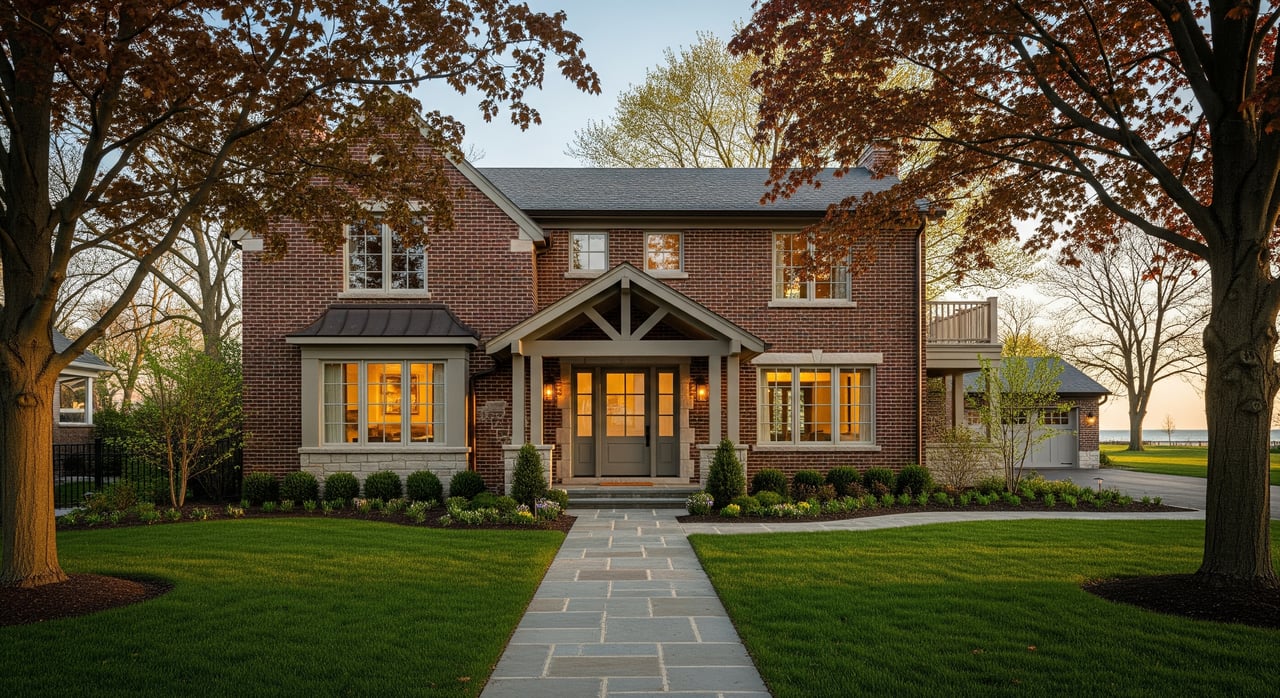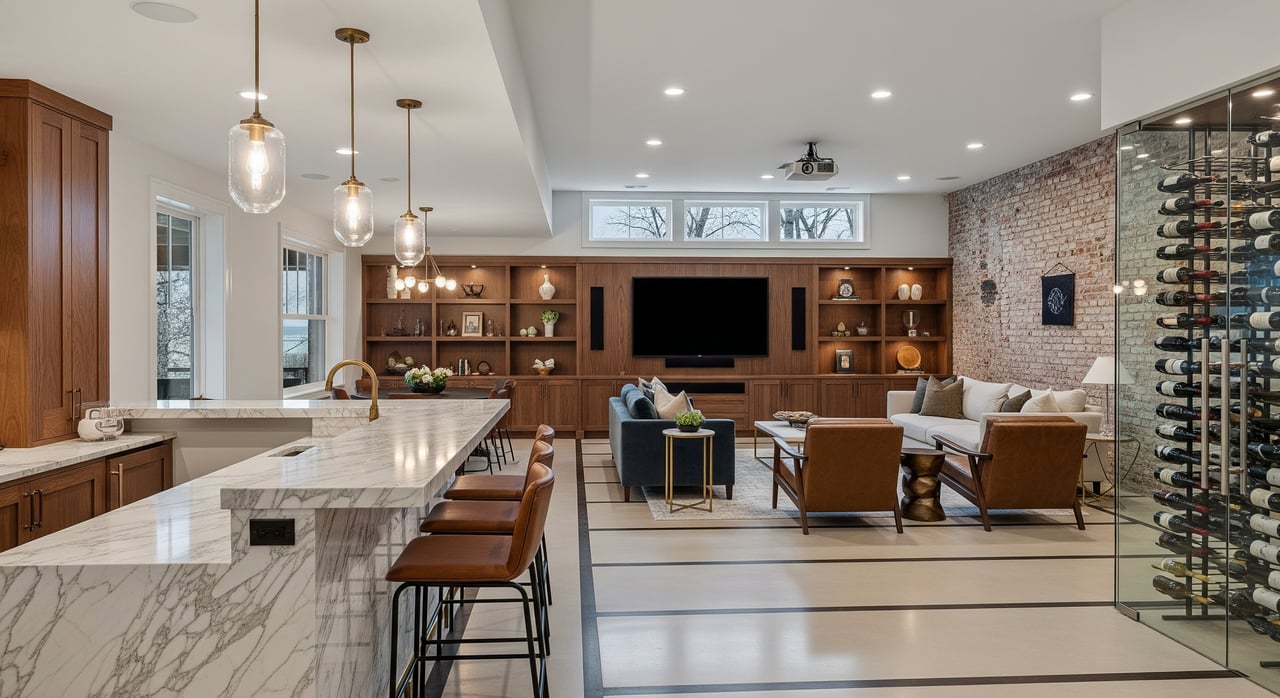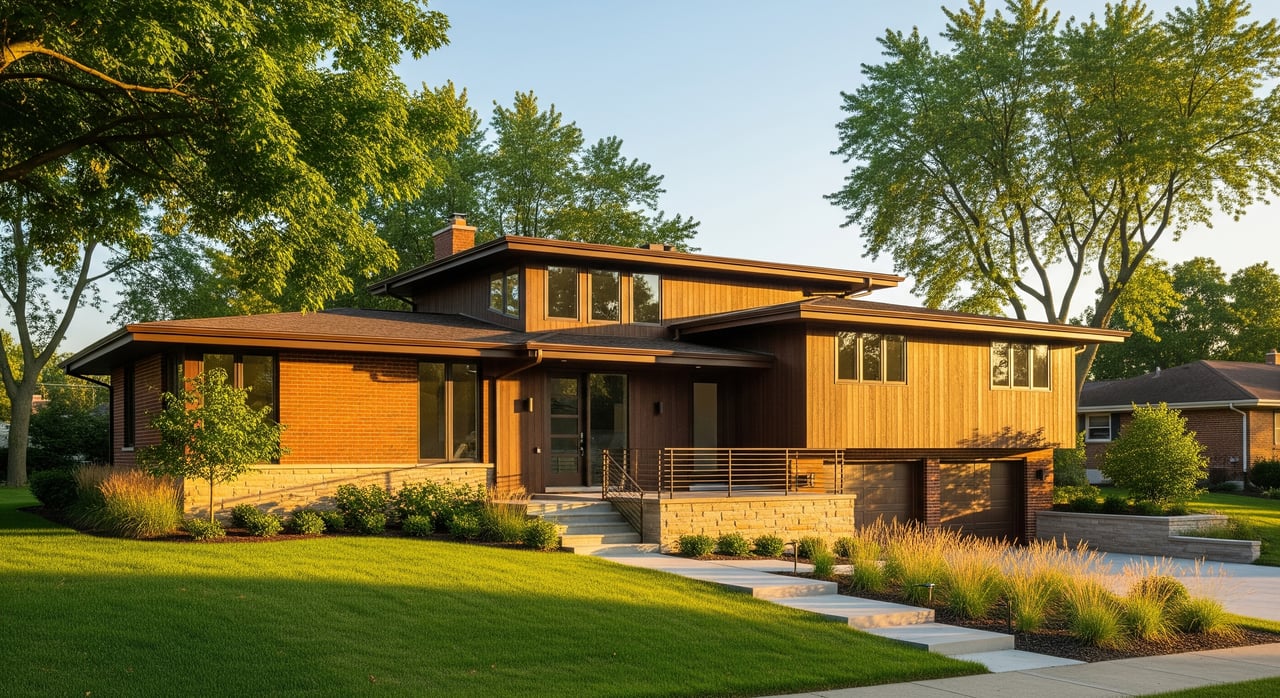
Thinking about a split-level in Schererville or nearby Gary and wondering if it fits your budget, lifestyle, and long-term plans? You are not alone. Many Lake County buyers consider these mid-century homes because they offer space, separation, and value. In this guide, you will learn what to expect from split-level layouts, the real pros and cons in our local market, the key inspection items to check, and smart renovation moves. Let’s dive in.
What is a split-level
A split-level staggers living spaces across short flights of stairs rather than placing everything on a single floor. You usually walk into a middle landing, then go a few steps up to the bedrooms and a few steps down to a family room or lower-level space. Many designs also include a garage on the lower level.
These homes create distinct zones for sleep, work, and play. That separation can feel more private than a ranch and more efficient than a full two-story, especially on a modest lot.
Typical size and lot feel
In the Midwest, modest split-levels often offer about 1,000 to 2,000 square feet of finished living space. Some larger or expanded versions run bigger. Lots are usually suburban in scale, giving you outdoor space without a large yard to maintain.
Local context: Schererville and Gary
When they were built and why it matters
Northwest Indiana saw a building boom from the 1950s through the 1970s. That period produced many split-level and ranch homes across Lake County, including Schererville and parts of Gary. These homes often reflect mid-century building practices and materials. Some have been updated, while others still have original kitchens, baths, windows, or mechanical systems.
Climate and site checks to make
Our region gets cold winters with freeze–thaw cycles and humid summers. Those conditions can stress foundations, masonry, roofs, and exterior flashing. Humidity and precipitation also make proper grading, gutters, downspouts, and drainage critical. Parts of Lake County have a high water table, so confirm the specific property’s flood risk and groundwater conditions.
Where to verify permits and risks
Indiana follows standards based on the International Residential Code, but permits and inspections happen at the local level. Before major work, check with the Town of Schererville Building Department, the City of Gary Building Department, or Lake County Building & Code Enforcement, depending on location. Review the property’s permit history through the local office or the county Recorder/Assessor. For environmental and site risks, consult FEMA Flood Insurance Rate Maps and the EPA’s radon resources, and plan to test for radon as part of your due diligence.
Pros for budget-minded buyers
Split-levels can be a smart buy in Lake County, especially if you want more space without stretching your budget. Benefits often include:
- More interior square footage for the price compared with similarly priced ranches or two-story homes.
- Distinct living zones that work well for families, multigenerational households, or a home office.
- A lower level or daylight basement that can be finished for extra living space at a relatively lower cost per square foot.
- Manageable yards that still provide outdoor room without heavy maintenance.
These advantages can help you get the space you need while keeping your monthly payment and upkeep in check.
Trade-offs to expect
No home style is perfect. Here are common split-level drawbacks in our market and how to plan for them.
Layout and livability
- Fragmented floor plans can feel dated if you prefer open living. Many buyers choose to remove a wall or widen a doorway later.
- Original kitchens are often smaller and more closed-in than today’s taste.
- Multiple short stair runs can be a challenge for very young children, older adults, or anyone with mobility concerns.
Structure, envelope, and systems
- Foundation and drainage: Look for settlement, cracks, out-of-level floors, or signs of prior water intrusion. Verify a working sump pump and any drain tile.
- Roof and exterior: Aging roofs, chimney brickwork, and failing gutters are common in older homes.
- Insulation and windows: Many mid-century homes need upgraded attic or wall insulation and modern windows for better energy performance.
- HVAC: Older systems may be near end-of-life. Duct runs in split-levels can lead to uneven heating and cooling; zoning or ductless solutions may help.
- Electrical and plumbing: Original panels may be undersized. Galvanized supply lines or cast-iron sewer laterals could be at the end of their useful life.
Safety and materials
Homes built before 1978 may contain lead-based paint. Some mid-century properties also have materials that can contain asbestos. If you plan to renovate, discuss testing and safe handling with your inspector and contractors.
Renovation ideas and reality
Renovations can unlock value in a split-level, but feasibility and cost vary with scope and local code requirements. Plan with permits and professional guidance.
Open up the main level
Many buyers remove a wall to connect the kitchen, dining, and living areas. This often requires structural work and coordination with electrical and HVAC routes. It is a moderate to high complexity project that should be designed and permitted properly.
Update kitchens and baths
Upgrading cabinets, counters, fixtures, and lighting can deliver a quick lifestyle and resale boost. Moving plumbing or changing the layout increases complexity, so weigh the benefit before you reconfigure.
Finish the lower level
Finishing a lower level is a common way to add living space. Prioritize moisture control first. Insulate and finish exterior walls correctly, and add egress windows if you plan to use any rooms as bedrooms. Confirm ceiling heights and egress meet local code.
Improve mechanicals and efficiency
Upgrading the furnace and AC, adding insulation, sealing air leaks, and replacing old windows can improve comfort and lower utility costs over time. Consider HVAC zoning or ductless mini-splits to solve hot-and-cold spots common in split-level layouts.
Inspection checklist before you offer
Use this quick checklist during showings and inspections so you can budget with confidence.
Structure and exterior
- Foundation: Cracks, settlement, bowed walls, or signs of past repairs.
- Grading and drainage: Soil sloping away from the house, working gutters and downspouts, visible perimeter drains or sump discharge.
- Roof and flashing: Roof age, condition of shingles, chimney, and flashing; look at soffits and fascia.
- Exterior finishes: Siding or brick condition, patched areas, and any moisture stains.
Moisture and below-grade spaces
- Prior water intrusion: Efflorescence on block walls, stains, musty odors, or fresh paint where stains might be hiding.
- Sump pump: Presence, operation, and any backup system.
- Floor and walls: Check for warping, soft spots, or trim wicking in finished lower levels.
Interior systems and safety
- HVAC: System age, recent service, airflow to each level, and zoning.
- Electrical: Panel capacity, breaker type, GFCIs in wet areas, and any older wiring types.
- Plumbing: Pipe material and condition, water heater age, and signs of slow drains or backups.
- Safety: Smoke and CO detectors, stair rails, and adequate lighting at the short stair runs.
- Radon: Plan for testing in Indiana if no recent results are available.
Egress and code
- Lower-level bedrooms: Confirm window egress and ceiling height meet current requirements. If not, budget for egress window installation.
Documentation and costs
- Ask for records: Roof, foundation, HVAC, electrical, or plumbing work, ideally with permits and inspection sign-offs.
- Request utility bills if available to gauge likely heating and cooling costs and efficiency upgrades needed.
Financing and resale notes
Appraisal and comparables
Appraisers compare to similar local homes. Highly personalized or nonstandard remodels can make comps harder, so keep updates tasteful and functional for the broadest buyer pool.
Permits protect value
Major structural changes or unpermitted lower-level finishes can complicate resale and refinancing. Verify that work was permitted and inspected, and keep your own records for future buyers.
Buyer appeal
Split-levels attract buyers who like distinct zones and strong value per square foot. They are less attractive to those who need single-level living or a fully open plan. Thoughtful updates, moisture control, and energy improvements can boost marketability.
Next steps for buyers
- Before or during showings: Ask the listing agent about the age of the roof, furnace, and water heater; any foundation or drainage work; prior permits; and recent radon test results. Walk the lot to assess slope and gutter discharge.
- During inspections: Hire an inspector experienced with mid-century and split-level homes in Lake County. If issues arise, bring in specialists such as a structural engineer, HVAC contractor, or a drainage professional.
- Writing your offer: Make seller repairs or credits for major items contingent in your offer. Common credits include drainage fixes, sump systems, HVAC replacement, or adding egress windows where required.
- Local guidance: Lean on a neighborhood-focused team that knows Schererville, Gary, and nearby communities. The right agent helps you compare split-level options, estimate update priorities, and navigate permits with the correct local office.
If you are weighing a split-level in Schererville or Gary and want a practical game plan that fits your budget, we are here to help. Reach out to schedule a consult, set up a saved search, or review a property’s inspection strategy with our team. Connect with Alejandrina Perez for bilingual, local guidance that makes the next step smart, right, and easy.
FAQs
What is a split-level home and how is it different from a ranch?
- A split-level staggers living areas on short flights of stairs with bedrooms up and a family or rec room down, while a ranch places most rooms on one level.
Are split-level homes common in Schererville and Gary, Indiana?
- Yes, many were built during the 1950s to 1970s growth period in Lake County, so you will see a good number across those communities.
What are the biggest inspection red flags for split-levels in Lake County?
- Look for foundation cracks or settlement, signs of water intrusion in lower levels, aging roofs and gutters, and older mechanicals, electrical panels, or plumbing.
Do lower-level bedrooms in split-levels need egress windows in Indiana?
- If a lower-level room is a legal bedroom, it must meet current egress and ceiling height requirements; budget for egress windows if they are missing.
How can I improve heating and cooling balance in a split-level?
- Consider HVAC zoning, duct adjustments, or ductless mini-splits to address uneven temperatures caused by split-level duct routing.
Is radon a concern in Northwest Indiana homes?
- Radon testing is recommended in Indiana; if no recent test exists, plan to test and install a mitigation system if levels are elevated.
Should I worry about flooding or groundwater around Schererville and Gary homes?
- Some areas have higher water tables, so check site-specific drainage and floodplain status and confirm a working sump pump and discharge path.