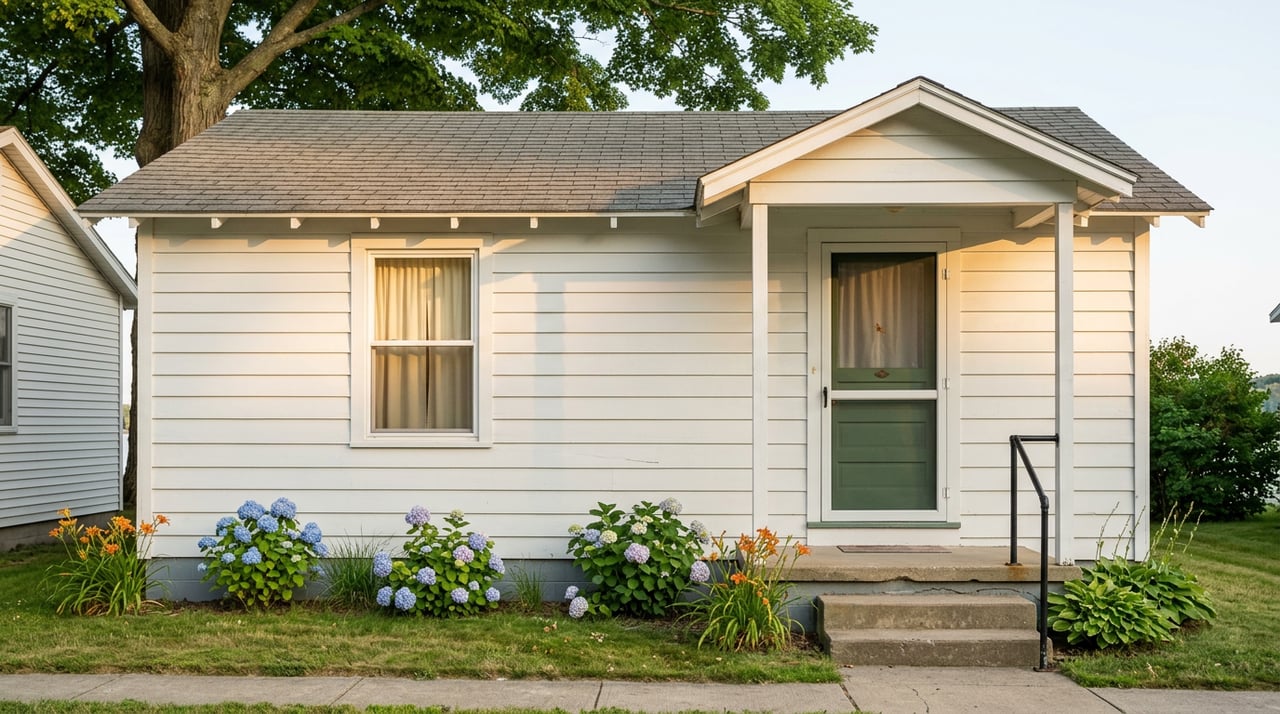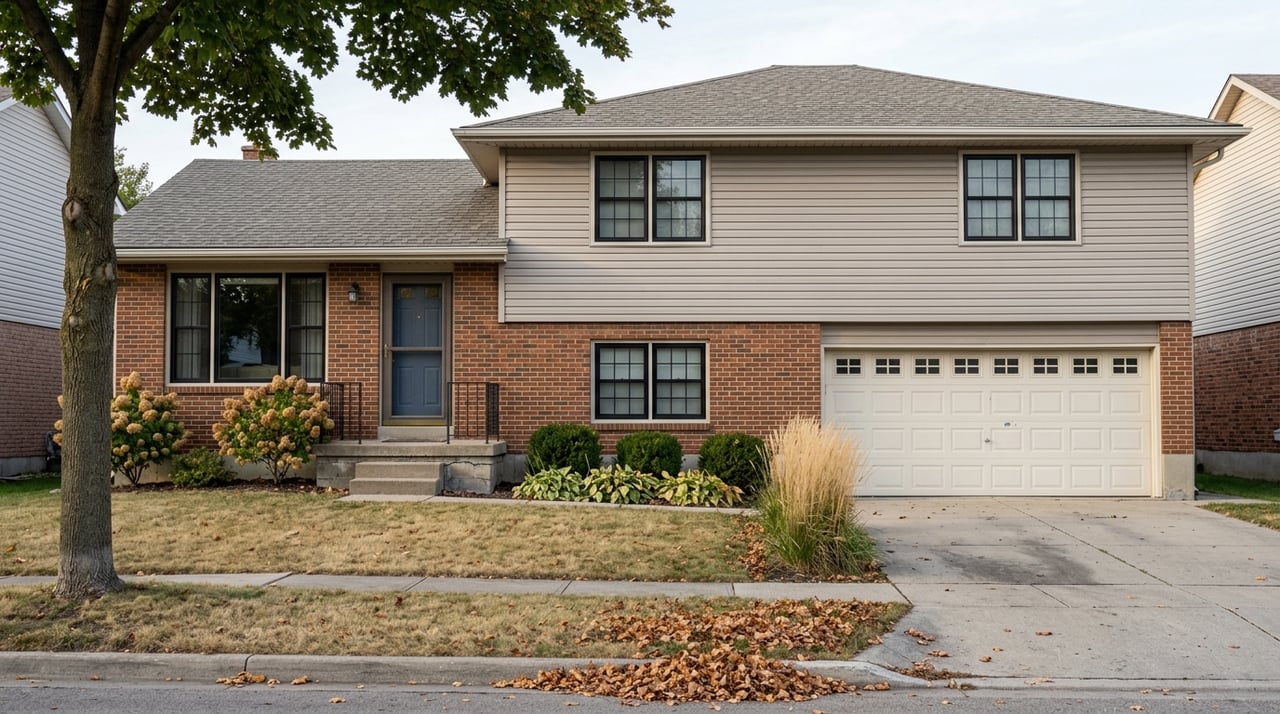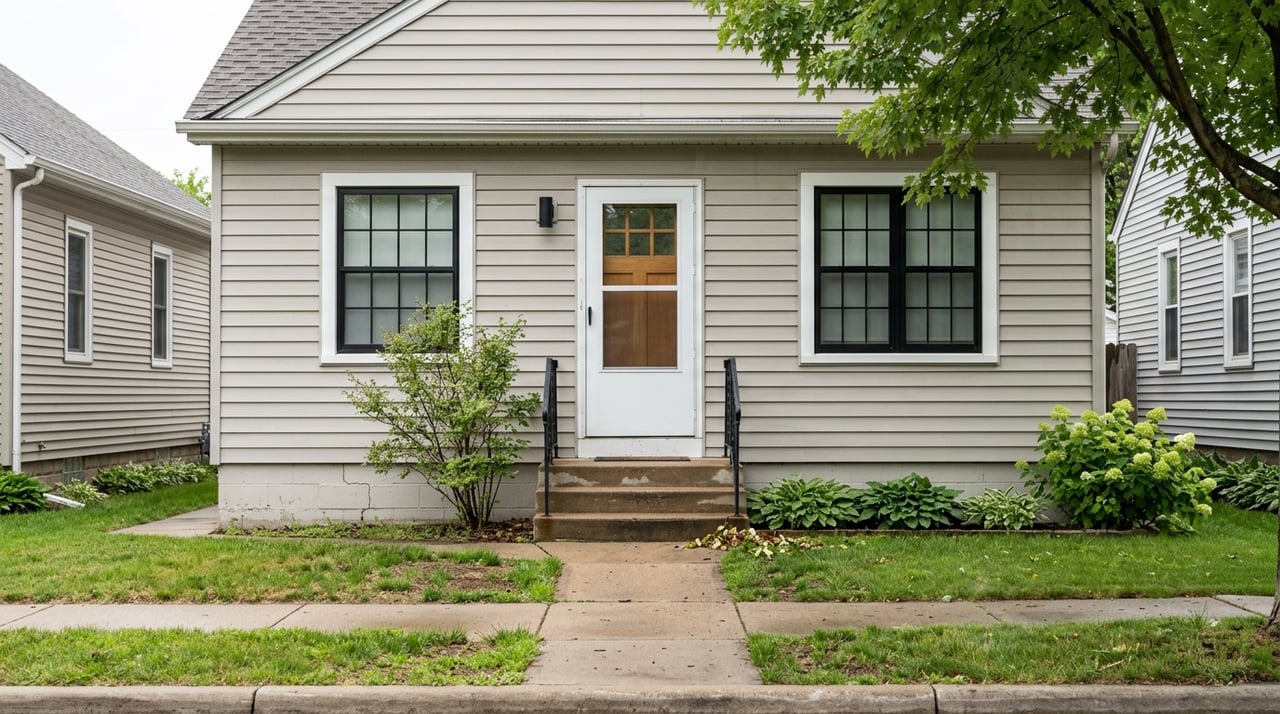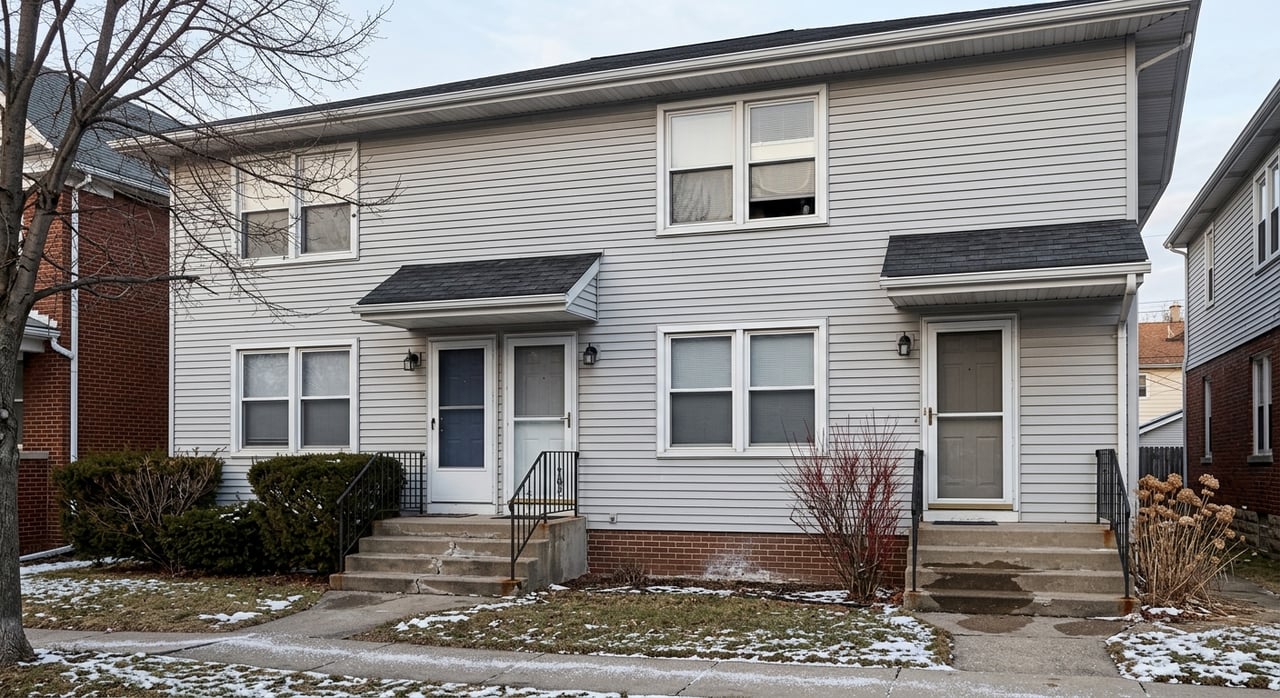
Buying a home and lowering your monthly housing cost at the same time might sound out of reach, but house hacking can make that goal more realistic in East Chicago. If you are open to living in one unit of a duplex or small multifamily property while renting out the other unit, you may be able to use rent to offset part of your payment. In this guide, you’ll learn how house hacking works in East Chicago and the broader Gary and Lake County area, what financing options may fit, and what to watch before you buy. Let’s dive in.
Why house hacking fits East Chicago
House hacking usually means buying a two- to four-unit property, living in one unit, and renting the other unit or units. For many buyers, that creates a path to owner-occupied real estate with income built into the property. It can be especially appealing if you want a home that also helps support your budget.
The local numbers help explain why this strategy gets attention here. In East Chicago, the 2020 to 2024 Census estimates show a median owner-occupied home value of $105,400 and a median gross rent of $854. In nearby Gary, the median owner-occupied value was $94,700 and median gross rent was $1,012, while Lake County’s median gross rent was $1,131 and median monthly owner cost with a mortgage was $1,529.
That gap matters. Even a modest rent payment from another unit can change your effective monthly housing cost in a meaningful way. For a value-minded buyer, that can make a duplex or small multifamily property worth a closer look.
HUD data for the broader Gary housing market area also shows a rental base that supports this kind of purchase. As of April 1, 2023, renter households made up nearly 29% of all households, the rental vacancy rate was 7.7%, and 14% of occupied rental units were in buildings with two to four units. That tells you small multifamily housing is part of the local market, not an unusual property type.
What a house hack looks like
A simple example is a duplex where you live in one unit and rent the other. The rent does not erase your ownership costs, but it can help cover part of your mortgage, taxes, insurance, utilities, maintenance, and reserves. The key is to treat the rent as support for your budget, not a guarantee.
This strategy often works best when you:
- Want to buy a primary residence
- Are comfortable sharing a property with another household
- Can handle basic owner-landlord responsibilities
- Have a financial cushion for repairs and vacancy
- Prefer a practical path to building equity over a fully private setup
If you are a first-time buyer, this can be a useful middle ground between buying a single-family home and waiting longer to purchase. If you already think like an investor, it can also be a way to enter small rental property ownership while living on-site.
Financing options for live-in multifamily buyers
One of the biggest surprises for many buyers is that owner-occupied financing may be available for one- to four-unit properties. That means you do not always need the same setup as a non-owner investor loan.
FHA loans for 2-4 units
HUD states that FHA-insured loans are available for one- to four-unit properties, and the down payment can be as low as 3.5%. HUD also describes FHA 203(b) as mortgage insurance for someone buying or refinancing a principal residence, with one- to four-unit structures included among eligible property types.
For buyers trying to keep upfront costs manageable, that can be an important option. It may leave more room in your budget for inspections, moving costs, repairs, and reserves after closing. Still, loan approval depends on your lender’s review of income, credit, property condition, and other factors.
Conventional options for owner-occupants
Conventional financing may also work for a live-in duplex or small multifamily purchase. Fannie Mae’s HomeReady overview shows a 3% down payment option for two- to four-unit principal residences, and Freddie Mac also addresses owner-occupied primary residences with two to four units.
That can appeal to buyers who want a low-down-payment route but prefer a conventional structure. As with any loan, the exact fit depends on your finances and the property itself. The important takeaway is that small multifamily owner-occupant purchases have more than one financing path.
Can rental income help you qualify?
In many cases, yes. Fannie Mae says rental income can be eligible when it comes from a two- to four-unit principal residence where you occupy one unit, and its guidance says lenders use 75% of gross monthly rent when current leases or market rents are used. Freddie Mac also allows rental income from units not occupied by the borrower in a subject two- to four-unit primary residence.
That does not mean every projected rent number will be accepted at face value. Lenders and appraisers look at documentation, market support, and property specifics. Still, the ability to count part of the rent can make a real difference in what a buyer can afford.
How to analyze a duplex conservatively
A smart house hack starts with realistic math. You want the property to make sense even if rent comes in a little lower than hoped or a repair pops up sooner than expected. Conservative underwriting protects you from turning a good idea into a stressful purchase.
Start with realistic rent numbers
HUD’s FY 2026 Fair Market Rent schedule for the Gary, IN HMFA lists $1,082 for a one-bedroom unit, $1,317 for a two-bedroom, $1,612 for a three-bedroom, and $1,744 for a four-bedroom. HUD explains that Fair Market Rents are gross rent estimates that include shelter rent plus tenant-paid utilities, except telephone, cable or satellite television, and internet service.
These figures are useful as a benchmark, not a promise. In practice, they work best as a ceiling or a quick check against local comparable rentals. If a seller or listing suggests a rent level far above local reality, that is a signal to pause and dig deeper.
Review the property as both a home and an asset
With a duplex or small multifamily property, you are not just buying a place to live. You are also buying an income-producing building. That means the quality of the rent estimate, the unit setup, and the operating costs all matter.
Fannie Mae says the income approach is required in the valuation of two- to four-unit properties. In plain terms, projected rent and expenses can influence how the property appraises. That is one reason it is so important to review leases, unit layout, and market rents carefully before you commit.
Focus on the right due diligence items
Condition can vary a lot from one property to the next in East Chicago and Gary. Before you move forward, pay close attention to the systems and setup that affect rentability and repair costs.
A practical checklist includes:
- Roof condition
- Windows and exterior condition
- Plumbing and electrical systems
- Heating and cooling
- Parking setup
- Separate or shared utilities
- Unit layout and privacy
- Current leases, if occupied
- Realistic local rent for the non-owner unit
- Whether your budget can handle vacancy and repairs
A property can look affordable on paper but become expensive fast if major systems need work or the rental unit is hard to lease at the projected rate. The strongest house hacks are often the ones with manageable repairs and a straightforward rental setup.
Local compliance matters in East Chicago and Gary
It is easy to focus on financing and forget the local rules, but compliance should be part of your buying decision from day one. If you plan to rent out one or more units, you need to understand what the city requires.
In East Chicago, rental housing must be registered annually, and the city’s Building Department says the fee is $5 per rental unit community, building, or parcel. Gary also has a rental registration and inspection program for residential rental housing units.
That means your projected income should always be weighed alongside the time, cost, and process of registration and inspection. For a live-in owner, these are not afterthoughts. They are part of operating the property responsibly.
Living on-site means landlord responsibilities
House hacking can be a great strategy, but it still comes with day-to-day responsibilities. Living in one unit does not remove your obligations as a housing provider. You need a consistent, organized approach from the start.
Indiana housing resources direct landlords and renters to fair housing and landlord obligation guidance. The Indiana Civil Rights Commission says housing providers may not discriminate based on race, color, national origin, religion, sex, familial status, or disability, and state resources also explain that reasonable accommodations and reasonable modifications may be required for disability-related needs.
For a first-time owner-landlord, a few habits go a long way:
- Use a clear written lease
- Keep maintenance records
- Respond promptly to habitability issues
- Maintain a repair and vacancy reserve
- Apply screening standards consistently
- Use the same house rules for every applicant and resident
These basics can help you stay organized, reduce misunderstandings, and protect your investment.
Why bilingual communication can be a real advantage
East Chicago has an important language-access factor that should not be ignored. According to Census data, 41.1% of residents age 5 and older speak a language other than English at home. For a live-in owner-landlord, clear communication matters even more when you share a property with another household.
Simple written instructions, clearly explained lease terms, and prompt maintenance communication can prevent small issues from growing into larger ones. In a market where many households may prefer bilingual communication, that extra clarity can make the ownership experience smoother for everyone involved.
This is one reason local guidance matters so much. Working with a team that understands East Chicago, Gary, and the wider Lake County market can help you look beyond the listing price and think through the real day-to-day experience of owning a live-in rental property.
What makes a strong house hack purchase
Not every duplex is a good house hack. The best candidates usually have a few things in common: realistic rent potential, manageable repair needs, a layout that supports privacy, and enough breathing room in your budget to handle surprises.
A strong purchase usually looks like this:
- The rent estimate is supported by the market
- The property condition is workable, not overwhelming
- Registration and inspection requirements are clear
- The non-owner unit can be rented without unrealistic assumptions
- Your payment still feels manageable if a vacancy happens
- You have cash set aside for maintenance and unexpected costs
That last point is important. In East Chicago and the broader Gary and Lake County market, house hacking works best when rent is treated as a cushion rather than a guarantee. If the deal only works under perfect conditions, it may not be the right deal.
A practical next step for Lake County buyers
If you are exploring house hacking in East Chicago, start by narrowing your search to two- to four-unit properties that fit your budget as a primary residence. Then compare realistic local rent, basic condition, utility setup, and city compliance requirements before you get attached to any one property.
For many buyers, this strategy can be a smart way to step into ownership while keeping monthly costs more manageable. It is not effortless, but with careful numbers and the right property, it can be a practical path to live-in investing in Lake County.
If you want help evaluating duplexes, understanding local market conditions, or finding a property that fits your budget and goals, connect with Alejandrina Perez.
FAQs
What is house hacking in East Chicago?
- House hacking in East Chicago usually means buying a duplex or other two- to four-unit property, living in one unit, and renting the other unit or units to help reduce your monthly housing cost.
Can you use FHA financing for a duplex in East Chicago?
- Yes. HUD states that FHA-insured loans are available for one- to four-unit properties, and the down payment can be as low as 3.5% for eligible borrowers and properties.
Can rental income help you qualify for a live-in multifamily loan?
- It may. Fannie Mae says rental income can be eligible for a two- to four-unit principal residence when you occupy one unit, and lenders may use 75% of gross monthly rent when current leases or market rents are used.
What rent benchmarks are useful for East Chicago house hacking?
- HUD’s FY 2026 Fair Market Rent schedule for the Gary, IN HMFA lists $1,082 for a one-bedroom, $1,317 for a two-bedroom, $1,612 for a three-bedroom, and $1,744 for a four-bedroom, but these are benchmarks rather than guaranteed rents.
What local rental rules matter for house hacking in East Chicago or Gary?
- East Chicago requires annual rental housing registration, and Gary has a rental registration and inspection program for residential rental housing units, so local compliance should be part of your budget and planning before you buy.
What should you inspect before buying a duplex in Gary or East Chicago?
- Focus on roof, windows, plumbing, electrical, heating and cooling, parking, utility setup, current leases, realistic rent potential, and whether you can handle repairs or vacancy without straining your budget.