Wondering how long it really takes to sell a home in Dyer, Indiana? If you are thinking about listing soon, you are probably asking the same questions most sellers ask: when to list, what to fix, how to price, and what happens after you accept an offer. The good news is that when you understand the process from the start, you can make better decisions and avoid unnecessary delays. Let’s dive in.
Know the Dyer market pace
If you are selling in Dyer, timing and pricing matter right away. Recent public market snapshots show Dyer homes moving in about 31 to 45 days on market, depending on the source and time frame. One snapshot also showed homes selling close to asking price, with about a 99% sale-to-list ratio.
That tells you something important: buyers are active, but they are still comparing your home to nearby options. In a market where homes can move in weeks instead of months, overpricing can cost you valuable attention during the first days on the market. A strong start matters.
Lake County shows a similar pattern. Public data has shown a median listing price around $290,500 in the county, with homes also moving in a matter of weeks and selling near asking. For you as a seller, that means preparation and realistic pricing should work together from day one.
Get your home listing-ready
Before your home goes live, your goal is simple: make it photo-ready, showing-ready, and disclosure-ready. The best listing date is often not the earliest possible date. It is the first day your home is fully prepared to make a strong first impression.
That first impression starts before a buyer walks in. Clean rooms, decluttered surfaces, fresh-looking finishes, and simple cosmetic touch-ups can help buyers focus on the home itself instead of distractions. If your home feels easy to picture living in, you are already in a stronger position.
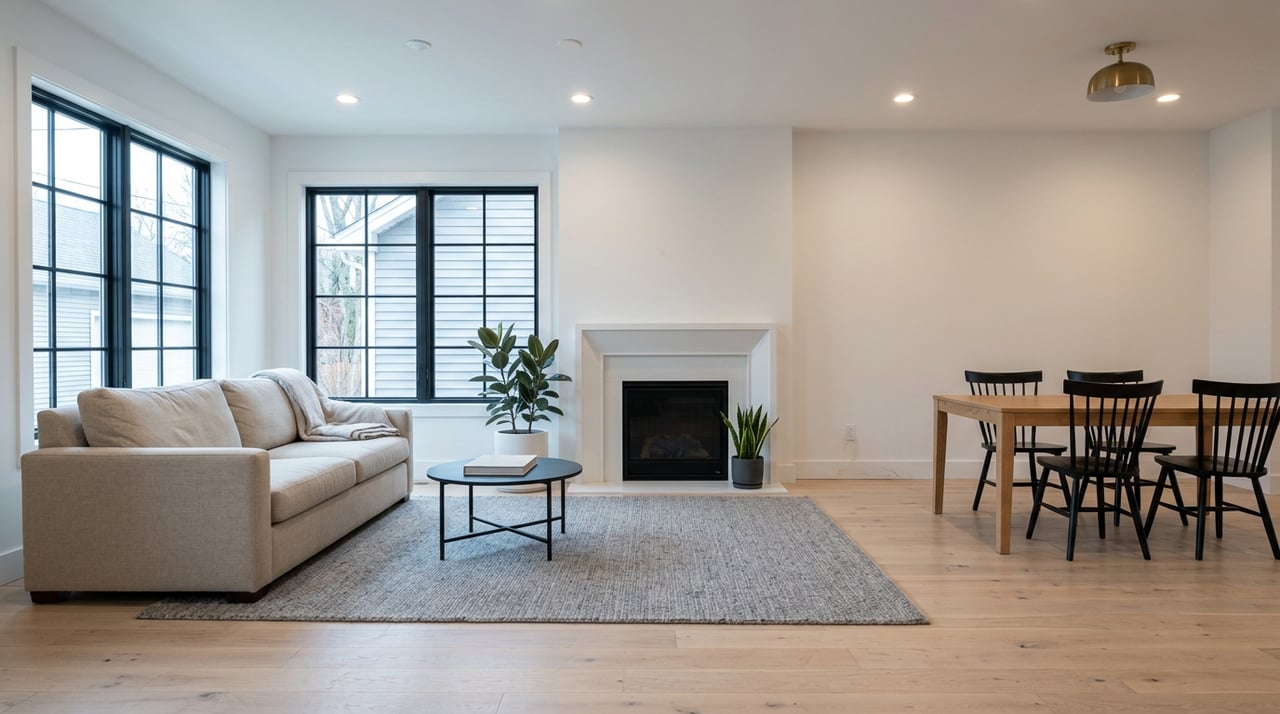
According to guidance cited in the research, staging helps buyers visualize the property as their future home. About half of real estate professionals reported that staged homes sold faster, and more than a quarter said staging led to a 1% to 10% increase in the dollar value offered. That does not mean every seller needs a full redesign, but it does show the value of thoughtful presentation.
Focus on the updates that matter most
Not every repair deserves your time or money. In many cases, the smartest prep plan is a practical one that focuses on the biggest visual and functional concerns first.
Common pre-listing priorities may include:
- Decluttering main living areas
- Deep cleaning kitchens and bathrooms
- Touching up paint and minor cosmetic wear
- Improving curb appeal
- Addressing obvious maintenance issues buyers will notice quickly
A pre-sale inspection is optional, but it can be useful. It may help you spot issues early, decide what to repair before listing, and reduce surprises once buyers begin inspections.
Understand Indiana disclosure steps
Selling a home in Indiana includes paperwork that should be handled early, not at the last minute. For most 1 to 4 unit residential properties, sellers generally must complete the seller’s residential real estate sales disclosure form and provide it to a prospective buyer before an offer is accepted.
In Indiana, the sales disclosure process also connects to the county filing process. The Indiana Department of Local Government Finance instructions say the sales disclosure form must be reviewed by the county assessor before it goes to the county auditor. The county auditor may not accept the conveyance if the form is missing, incomplete, or unstamped.
For Lake County sellers, that makes accuracy and timing especially important. The county auditor lists the current Sales Disclosure Form among its forms, which confirms this is a real local step in the closing process. If your paperwork is incomplete, it can create delays when you are trying to get to the finish line.
Older homes need one more disclosure step
If your home was built before 1978, federal law requires lead-based paint disclosure before the sale. The buyer must also receive the lead-hazard information pamphlet required under that rule.
This is one more reason to get organized before listing. A smooth sale often depends on having the right documents ready as early as possible.
Price your home with a strategy
Pricing is one of the most important decisions you make. In Dyer, where homes have recently moved relatively quickly and sold near asking, the goal is not to test the market with an inflated number. The goal is to enter the market in a position that attracts serious attention.
If your home is priced too high, buyers may pass it over in favor of homes that feel like a better value. That can be especially costly when buyers are moving fast and making early comparisons. Once a listing goes stale, sellers often lose leverage.
A good pricing strategy should reflect current market conditions, competing listings, condition, updates, and buyer expectations. It should also leave room for productive negotiations without pushing qualified buyers away at the start.
Prepare for showings
Once your home is active, showing readiness becomes part of daily life. Buyers notice more than square footage and layout. They also notice light, smell, cleanliness, and whether the home feels easy to walk through.
Seller showing guidance in the research recommends a few practical steps before each showing. These small details can shape how buyers feel in the home.
Simple showing checklist
- Clear counters and surfaces
- Wipe down kitchens and bathrooms
- Remove strong odors
- Turn on lights
- Put away valuables and medications
- Take pets out during showings if possible
A clean and calm showing environment can help buyers focus on the features of your property. It can also support stronger offers by reducing the sense that work is waiting for them.
Review offers carefully
When offers start coming in, the highest price is not always the only thing that matters. You also need to look at financing strength, contingencies, requested timelines, and how likely the buyer is to close without major issues.
A purchase agreement can include several moving parts. Buyers commonly include inspection contingencies, and financing usually involves an appraisal and title work before closing. These steps are normal, but each one can affect the timeline and the path to closing.
Earnest money is also part of many transactions. The research notes that earnest money is common, though not legally required, and is often between 1% and 10% of the purchase price. It is typically held in escrow until closing or until contingencies are resolved.
Common negotiation points after an offer
Even after you accept an offer, negotiations may continue. Buyers often use inspections and appraisals to request changes to the deal.
Common issues include:
- Repair requests tied to roof, plumbing, electrical, or HVAC concerns
- Credits requested instead of repairs
- Appraisal results that come in below the purchase price
- Timeline adjustments related to financing or inspections
This is where a clear response strategy matters. In some cases, offering a credit may make more sense than completing repairs before closing. In others, holding firm may be the right move if the home was priced and presented well from the start.
Know what happens after acceptance
Many sellers assume the hard part is over once the offer is signed. In reality, the contract-to-close period still includes several important steps, and each one has its own timeline.
The closing process can take several weeks or more, even if your home went under contract quickly. Mortgage approval, appraisal scheduling, inspection timing, and title work all play a role in how fast the sale moves forward.
In Lake County, recording also matters. The Lake County Recorder’s Office records deeds, mortgages, liens, releases, leases, and related land records. The county has accepted e-recordings since March 2021, and it receives more than half of its documents electronically, which can help speed up post-closing recording.
Closing costs and county filing steps
Closing costs are not one flat number for every seller. They can vary based on the details of the transaction.
One specific Indiana filing cost noted in the research is the non-exempt sales disclosure filing fee of $10. State instructions also make clear that this fee is separate from other possible local fees. That is why it is best to think of seller closing costs as transaction-specific rather than fixed.
At final closing, documents are signed, funds are disbursed, and keys are exchanged. The sale is not just about getting a signed contract. It is about keeping every step moving until recording is complete.
Why guidance matters from listing to close
In a market like Dyer, sellers benefit most from practical support in the areas that actually move the deal forward. That usually means pricing guidance, prep decisions, paperwork management, offer review, inspection negotiation, and closing coordination.
Homes On Demand Realty is built around that kind of hands-on local service. With deep Lake County experience, bilingual English and Spanish communication, and a practical, neighborhood-level approach, the team helps you make smart decisions without adding confusion or pressure.
If you are thinking about selling in Dyer, the goal is not just to get listed. It is to launch well, stay organized, negotiate from a position of strength, and make it all the way to the closing table with fewer surprises.
If you are ready to plan your next move in Dyer or anywhere in Lake County, connect with Alejandrina Perez for practical, local guidance that helps you sell the smart, right, and easy way.
FAQs
How long does it take to sell a home in Dyer, Indiana?
- Recent public market snapshots show Dyer homes spending about 31 to 45 days on market, but the full timeline from listing to closing can take longer because inspections, appraisal, financing, and title work may add several more weeks.
Do sellers need disclosures before accepting an offer in Indiana?
- Yes. For most 1 to 4 unit residential properties, sellers generally must complete the residential real estate sales disclosure form and provide it to a prospective buyer before an offer is accepted.
What paperwork matters for a home sale in Lake County, Indiana?
- The sales disclosure form is a key part of the process. Indiana instructions say it must be reviewed by the county assessor before going to the county auditor, and the auditor may reject the conveyance if the form is missing, incomplete, or unstamped.
Should you repair your Dyer home before listing it for sale?
- Not always, but basic repairs, cosmetic touch-ups, cleaning, and decluttering can make the home easier to market and may reduce surprises during the buyer’s inspection period.
What happens after you accept an offer on a Dyer home?
- After acceptance, the sale typically moves through escrow, inspection, appraisal, financing approval, title work, county filing steps, final signing, and recording before the transaction is complete.
Do older homes in Indiana need lead-based paint disclosure?
- Yes. If the home was built before 1978, federal lead-based paint disclosure rules apply before the sale.