If you work in Chicago but want more room in your budget, Hammond deserves a closer look. Many buyers are trying to balance commute time, housing costs, and day-to-day convenience without feeling stretched too thin. This guide will help you compare the main commute options, understand how Hammond stacks up on price, and think through what kind of home may fit your routine best. Let’s dive in.
Why Hammond works for Chicago commuters
Hammond sits in a practical spot for buyers who need access to downtown Chicago but want to shop in a different price range. Current sales data puts Hammond’s median sale price at $195,000, compared with $410,000 in Chicago. That gap is a big reason many value-minded buyers start looking here.
Hammond also has a solid ownership profile. Census data shows a 63% owner-occupied rate and 33,623 housing units in the city. For buyers who want a community with a strong base of owner occupants, that is a meaningful part of the local picture.
If you are weighing Hammond against other nearby options, it helps to compare the numbers directly. Gary’s median sale price is lower at $85,500, while Hammond sits in a middle affordability tier based on current market and housing data. In simple terms, Hammond may offer a balance between price and commute convenience for many Chicago-bound buyers.
Commute options from Hammond to Chicago
For most everyday commuters, the two main choices are driving and taking the South Shore Line. Each option can work well, but they fit different schedules, budgets, and comfort levels. Your best choice often depends on how predictable you want your commute to be.
Driving from Hammond to Chicago
By car, the trip from Hammond to Chicago is about 28 miles. Travelmath estimates the drive at about 35 minutes under typical traffic conditions. That makes Hammond a realistic base if you are comfortable with regular driving.
The usual route uses the Indiana Toll Road and the Chicago Skyway corridor. Indiana transportation materials identify the Indiana Toll Road as a major northern Indiana artery that includes Hammond and Chicago, and the Chicago Skyway connects that route to the Dan Ryan Expressway on Chicago’s South Side. For buyers who already drive to work, this route is a key part of the daily commute picture.
Driving can give you flexibility, especially if your job hours change or your workplace is not close to downtown rail access. At the same time, many buyers want to think carefully about toll-road use as part of their monthly budget. If you expect to drive most days, that cost should be part of your home search math.
Taking the South Shore Line
If you prefer a more predictable downtown trip, the South Shore Line is one of Hammond’s strongest commuter advantages. The official timetable shows weekday westbound trips from Hammond Gateway to Millennium Station in about 34 to 37 minutes on example trains. That puts train travel in a similar time range to the typical driving estimate.
Cost matters too. The current fare table lists Hammond Gateway as Zone 4, with a one-way fare of $7.75 and a monthly pass of $217. If you plan to ride regularly, those numbers can help you compare train costs with fuel, tolls, parking, and wear on your car.
For many buyers, rail access is not just about commute time. It is also about routine. A train option can make it easier to plan your day, especially if you work near downtown Chicago and want to avoid driving every morning.
Train or car: which is better?
There is no single best answer for every buyer. The right fit depends on how you live and work. What matters is matching the home you buy with the commute style you can actually sustain.
Here is a simple way to think about it:
| Commute option | Typical time | Key cost factor | Best for |
|---|---|---|---|
| Driving | About 35 minutes | Tolls and driving costs | Buyers who want flexibility |
| South Shore Line | About 34 to 37 minutes | $7.75 one way or $217 monthly pass | Buyers who want a more predictable rail routine |
If you like control and often run errands before or after work, driving may feel easier. If you want a steadier downtown commute, the train may be worth prioritizing during your home search. In many cases, the decision comes down to your comfort with toll-road driving versus your desire to live near Hammond Gateway.
What kinds of homes can commuters find?
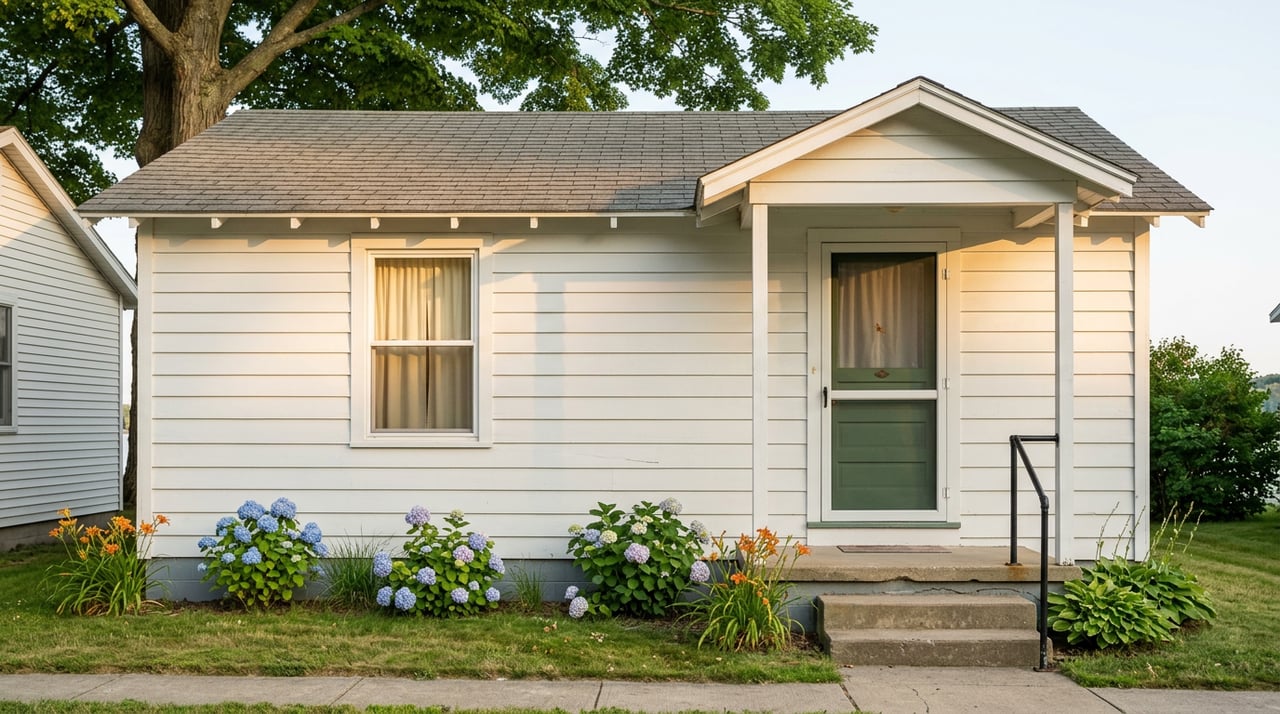
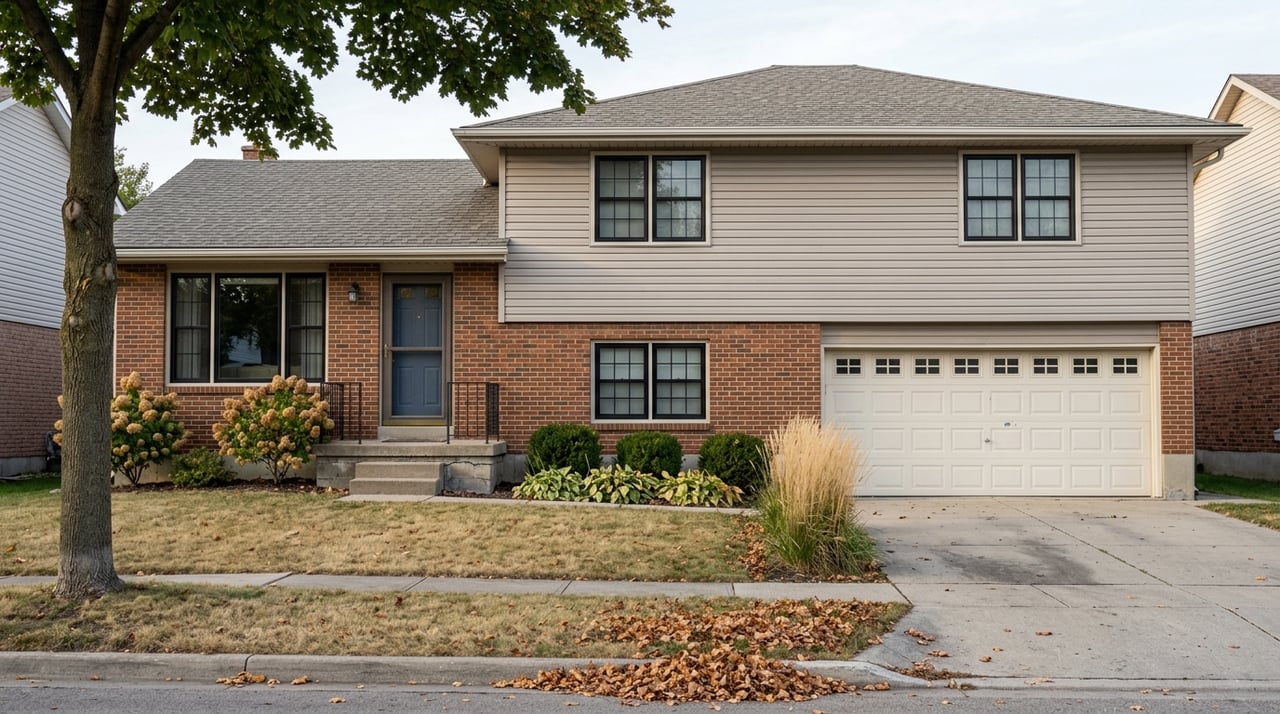
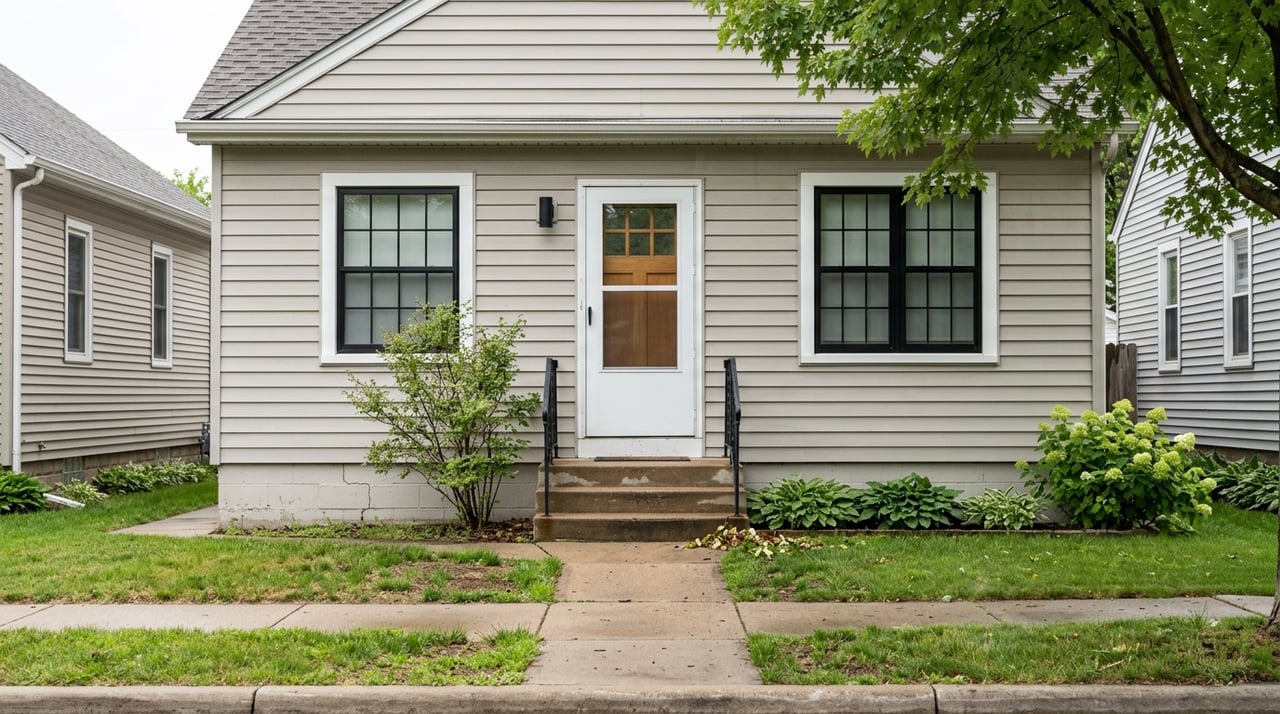
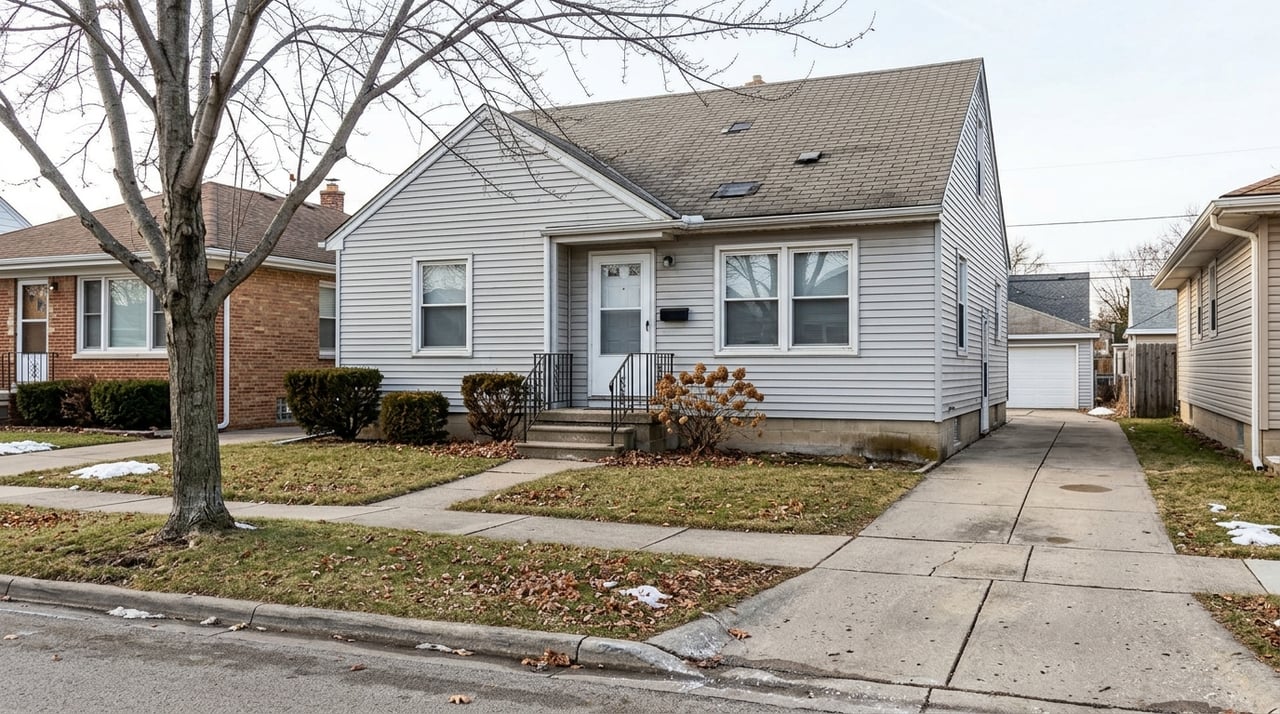
Many buyers picture a commuter home as a single-family house, and that is a reasonable starting point here. Census Reporter data indicates that roughly three-quarters of the housing stock in both Hammond and Gary is single-unit housing. That means detached homes are a major part of the local inventory picture.
Still, commuters are not limited to one type of property. In Hammond, 7.6% of housing units are in two-unit structures and 5.3% are in three- to four-unit structures. Gary also has meaningful small multifamily stock, with 6.8% in two-unit structures and 5.6% in three- to four-unit structures.
That matters if you are open to different ways of buying. You may focus on a single-family home for your own use, or you may want to compare duplexes and small multifamily properties that fit your budget and long-term plans. For some buyers, especially those thinking practically about monthly costs, looking beyond detached homes can open up more options.
How Hammond compares with Gary and Chicago
A smart home search starts with comparison, not just assumptions. If you are commuting to Chicago, it helps to understand where Hammond stands among nearby alternatives.
Chicago remains far higher on current sale data, with a median sale price of $410,000. Hammond comes in much lower at $195,000, which can make ownership more attainable for buyers who are priced out of many Chicago neighborhoods. That difference is one of Hammond’s biggest draws.
Gary is more affordable on current sale data, with a median sale price of $85,500. At the same time, Hammond shows a higher owner-occupied rate and a higher median value of owner-occupied homes based on ACS data. That does not make one city automatically better than the other, but it does show why many buyers compare both before deciding.
Here is a quick snapshot:
| Area | Median sale price | Owner-occupied rate | Median owner-occupied home value |
|---|---|---|---|
| Hammond | $195,000 | 63% | $173,300 |
| Gary | $85,500 | 52% | $112,400 |
| Chicago | $410,000 | Not provided in the research report | Not provided in the research report |
If you are a first-time buyer, this comparison can help you narrow your priorities. Hammond may appeal to you if you want a commute-friendly location that is more affordable than Chicago while offering a different ownership and value profile than Gary.
How to choose the right commuter setup
When you shop for a home in Hammond or nearby Lake County communities, it helps to filter homes through your actual weekday routine. A lower price is helpful, but it is not the only factor. Your location needs to work Monday through Friday, not just on showing day.
These are some of the most useful questions to ask yourself:
- Do you want walking or short driving access to Hammond Gateway?
- Are you comfortable using toll roads as part of your weekly routine?
- Would you rather pay a slightly higher purchase price for a location that supports a more predictable rail commute?
- Do you want a single-family home, or are you open to a duplex or small multifamily property?
If you are renting now, current median gross rent is another useful point of reference. Census data lists median gross rent at $1,134 in Hammond and $1,012 in Gary. That can be helpful if you are comparing your current monthly housing costs with what buying might look like.
A practical approach for first-time buyers
If this is your first home purchase, try not to look at price alone. A home that seems cheaper at first glance may feel less convenient if your commute is harder to manage every week. On the other hand, a home in a more commuter-friendly spot may save you time and stress over the long run.
Start with the non-negotiables. Decide whether train access or driving convenience matters more, then set a realistic price range based on your monthly budget. After that, compare property types and locations that support your routine.
This is where local guidance can make the process feel much easier. A neighborhood-first search can help you focus on homes that fit both your budget and your day-to-day life, whether you are looking for your first house, a duplex, or another practical option in the Hammond area.
If you are thinking about commuting from Hammond to Chicago, the goal is not just to find a home you can buy. It is to find a home that makes your daily life work. When you balance commute time, housing cost, and property type carefully, Hammond can be a very practical place to start your search.
When you are ready to compare homes in Hammond or nearby Lake County communities, Alejandrina Perez can help you explore options the smart, right, and easy way.
FAQs
How long is the commute from Hammond to downtown Chicago?
- By car, the trip is about 28 miles and takes about 35 minutes under typical traffic conditions. By train, example weekday South Shore Line trips from Hammond Gateway to Millennium Station take about 34 to 37 minutes.
How much does the South Shore Line cost from Hammond Gateway to Chicago?
- The current one-way fare from Hammond Gateway is $7.75, and the monthly pass is $217.
Is Hammond cheaper than Chicago for homebuyers?
- Yes. Recent sales data shows a median sale price of $195,000 in Hammond compared with $410,000 in Chicago.
Should buyers compare Hammond and Gary when commuting to Chicago?
- Yes. Gary has a lower median sale price at $85,500, while Hammond shows a higher owner-occupied rate and a higher median owner-occupied home value in the reported data.
What types of homes are common for commuters in Hammond?
- Single-unit homes make up most of the housing stock, but Hammond also has duplexes and small multifamily properties that may appeal to some buyers.
Is Hammond a good fit for first-time buyers who work in Chicago?
- It can be a practical option for first-time buyers who want a location with access to driving routes and commuter rail while shopping at a price point well below Chicago.