Dreaming of coffee on the pier and sunset boat rides without leaving northwest Indiana? If Cedar Lake is on your mind, you’re not alone. Choosing the right place near the water can be exciting and a little overwhelming, especially when you weigh access, HOA rules, maintenance, and costs. In this guide, you’ll learn how lake life really works in Cedar Lake, what homes to expect, and smart steps to buy with confidence. Let’s dive in.
Cedar Lake at a glance
Cedar Lake is a glacial inland lake within the Town of Cedar Lake in Lake County, about 40 miles from downtown Chicago and a short drive from Crown Point. The lake covers roughly 781 acres with an average depth under 10 feet, and technical studies place the maximum depth in the mid‑teens. You’ll find a small, lake‑centered community with local public schools served by Hanover Community Schools. If you want everyday convenience plus an active summer scene, Cedar Lake checks both boxes.
For lake size, depth, and recreational patterns, the town’s feasibility study is a helpful overview.
Lake access and everyday life
Public shoreline access is limited compared to the total shoreline, so knowing the main touchpoints matters. Most direct access happens at the Town Complex beach and pier, the public boat launch, and private marinas or condo associations.
Public beach and pier
The lakeside public beach and pier at the Town Complex offer straightforward day use. The beach is open dawn to dusk with posted rules and limited parking. Pier use is tightly managed for safety, which includes short‑term docking limits and no overnight docking. Review current details on the town’s public beach and pier page.
Boat launch and marinas
You’ll find the primary public boat launch and parking on the north shore. There are also private marinas and the local yacht club that handle slips, service, and seasonal storage. If you plan to trailer in for weekend boating, read the Indiana DNR notes that reference the public access site in their fisheries survey so you know where to go and what to expect.
Seasons on the water
Lake life has a rhythm. Understanding it helps you choose the right home and plan for guests, parking, and boat storage.
Summer: all‑sports energy
Cedar Lake is an all‑sports lake with motorboats, personal watercraft, sailing, waterskiing, and lakeside dining. Summerfest and warm‑weather events bring more traffic on and off the water, especially on weekends and holidays. Expect an energetic vibe in peak season. For overall recreational context, see the town’s feasibility study.
Spring and fall: prime fishing
When the water cools, fishing action picks up. The Indiana DNR documents healthy populations like hybrid striped bass, walleye, and channel catfish, with periodic stocking noted in survey reports. If fishing is your priority, check the DNR’s fisheries survey for species details and seasonal patterns.
Winter: watch the ice
Parts of the community use the lake for winter recreation when conditions are safe. Cedar Lake’s relatively shallow average depth means ice behavior can be more variable than deeper lakes. Always follow local advisories. For background on lake characteristics, the town’s feasibility study provides helpful context.
Home options near the water
Buyers usually choose between true waterfront, condo communities with amenities, or newer homes just off the lake. Your choice depends on how hands‑on you want to be and how you plan to use the water.
True waterfront homes
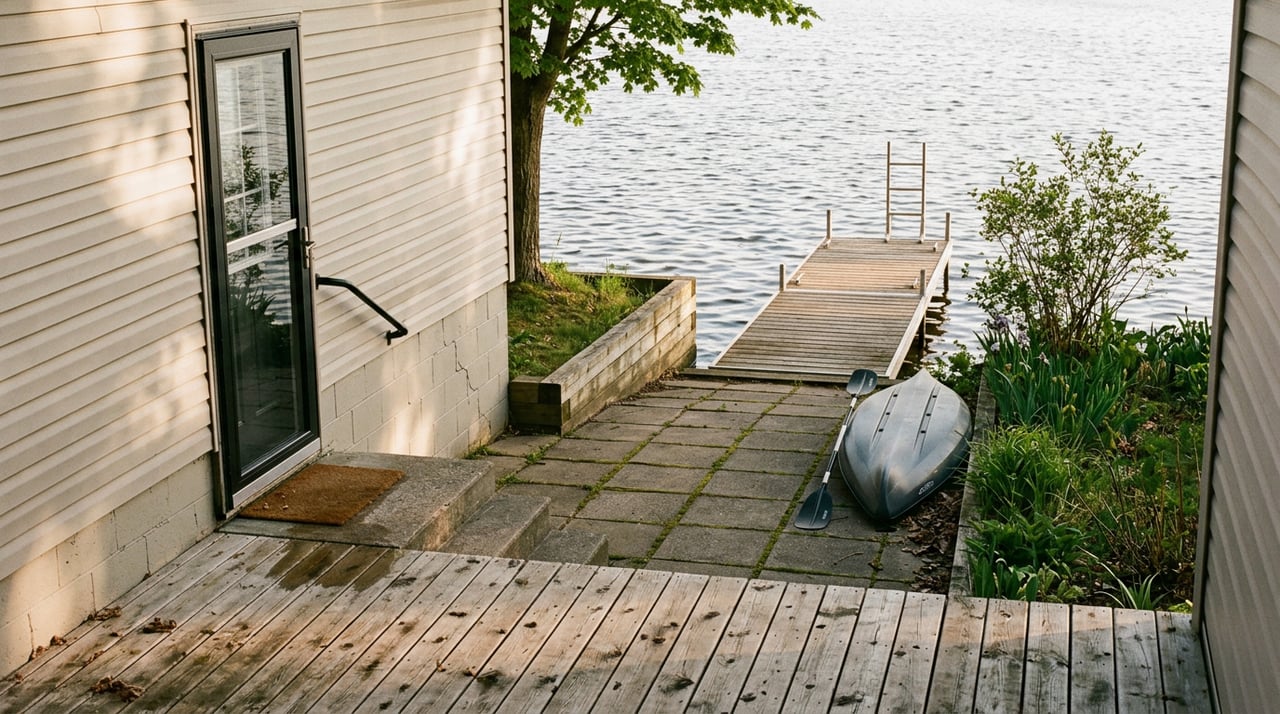
You’ll see a mix of older year‑round cottages and mid‑century homes, many remodeled. Private docks and seawalls are common on privately owned lots. Inventory is limited, and many shoreline parcels are already developed or tied to associations or marinas. If you want private frontage with a dock, plan for a premium and a more active maintenance routine.
Condo communities with amenities
Several gated or amenity‑rich condo communities sit on or near the lakeshore. A well‑known example is Sunset Harbor, where units are often marketed to buyers who want less maintenance and value amenities like a pool, private beach or pier, and included or assigned boat slips. Expect HOA rules that cover dock use, season dates, storage, and common‑area care. If you like convenience and shared upkeep, this path is worth a close look.
Newer homes near the lake
If you want proximity without direct frontage, look at planned subdivisions and ranch‑style new construction around Cedar Lake. Communities like Oak Brook and Creekside have offered modern single‑family homes where certain lots back to ponds or green space rather than the lake itself. You get quick access to the water and town amenities without the same shoreline maintenance costs.
What homes cost today
Townwide across all home types, the recent median sale price is around 281,000 dollars based on a January 2026 market snapshot. Waterfront and larger lakefront properties sell above the town median. Condo units with amenities and a slip, as well as modern lakefront homes, often land in the mid‑300s to 600s depending on size and features. Recent suburban new builds have started in the low to mid‑300s for 3‑bed, 2‑bath layouts.
Markets move quickly, and availability for true lakefront is limited. If you want live pricing and HOA details, connect with a local agent who can pull current MLS data and association rules.
Water quality and lake management
Cedar Lake has an active history of watershed planning and in‑lake projects that manage sediment and nutrients. You may see seasonal treatment or restoration work that targets nuisance plants or algae. These projects are part of long‑term health and use goals for the lake. For background, review the town’s feasibility study and local monitoring summaries from the Cedar Lake Residents/Enhancement Association.
Temporary boating restrictions can happen
During past dredging or restoration work, authorities have issued temporary speed restrictions to protect equipment and safety. If a future project is underway, expect similar seasonal rules that can change typical boating patterns. A past example is summarized in this update on dredging‑related speed limits.
Private waterfront maintenance
Owning on or near the shoreline brings unique upkeep. Plan and budget for the basics so you avoid surprises.
- Dock and lift care: annual inspection, winterization, and hardware upkeep.
- Shoreline stabilization: rip‑rap or seawall repairs as needed to control erosion.
- Yard and shore maintenance: mowing, vegetation control, and erosion‑friendly planting.
- Septic system service where applicable: inspections and pumping on a 3 to 5‑year cycle, following state guidance. See the Indiana DNR’s homeowner tips for clean water and septic care in the Septic Smarts guidance.
Docks, piers, and permits
Public facilities have strict rules that limit docking time and prohibit overnight mooring. On private property, docks and seawalls typically require permits and must meet local codes. Because shoreline projects are reviewed case by case, always start with the Town’s Planning, Zoning, and Building Department before you assume a dock, lift, or hard‑armoring project is allowed. If you are buying a home with an existing dock or seawall, verify permits and condition during your inspection window.
Flood risk and insurance
Some waterfront or near‑shore parcels fall within FEMA flood zones. Flood status varies by elevation and exact location, so do not assume coverage is optional. Use the FEMA Flood Map Service Center to check a property’s risk by address and request quotes from your insurance provider during due diligence.
How to choose the right lake home
Use this quick checklist to match your lifestyle with the right property type.
- Define your water use: daily boating, occasional kayaking, or views only.
- Decide your maintenance level: hands‑on waterfront vs. condo with HOA support.
- Check access: confirm public beach distance, launch options, or private slip availability.
- Budget beyond price: HOA dues, dock and lift upkeep, seawall repairs, and utilities.
- Verify rules: HOA bylaws, town ordinances, and permit history for docks and shoreline.
- Confirm systems: septic status where applicable and age of shoreline structures.
- Review flood maps: assess insurance needs and lender requirements.
- Time your search: inventory is seasonal and competition rises in spring and early summer.
Your next step
If Cedar Lake feels like home, we can help you compare options, understand HOA rules, and move fast when the right property hits the market. For bilingual guidance, neighborhood‑level insight, and clear next steps, reach out to Alejandrina Perez and the Homes On Demand Realty team. We’ll make lake living the smart, right, and easy way.
FAQs
Is Cedar Lake open to the public for day use?
- Public access is limited. The main points are the Town Complex beach and pier, plus the north‑shore public boat ramp. Much of the shoreline is private or managed by associations and marinas. See the town’s public beach and pier info.
How deep is Cedar Lake and what can I catch?
- The lake averages under 10 feet with maximum depths reported in the 14 to 16‑foot range by different studies. Indiana DNR surveys document hybrid striped bass, walleye, and channel catfish. Review the DNR’s fisheries survey for details.
Can I buy a condo with a boat slip in Cedar Lake?
- Yes. Some condo communities market included or assigned slips, and private marinas offer seasonal slip options. Inventory and policies vary by association and season.
What first‑year maintenance should I expect on a waterfront home?
- Plan for dock and lift inspection, winterization, and routine shoreline care. If the property uses septic, schedule an inspection and pumping on a 3 to 5‑year cycle per state guidance in the Septic Smarts program.
Will lake projects affect my boating in summer?
- Occasionally. Dredging or vegetation projects can lead to temporary speed restrictions or work zones. A past example is summarized in this dredging speed‑limit update.